
Eco-Friendly Design in Autism Schools
March 17, 2025
Sustainable Design Meets Sensory Needs in Autism Education
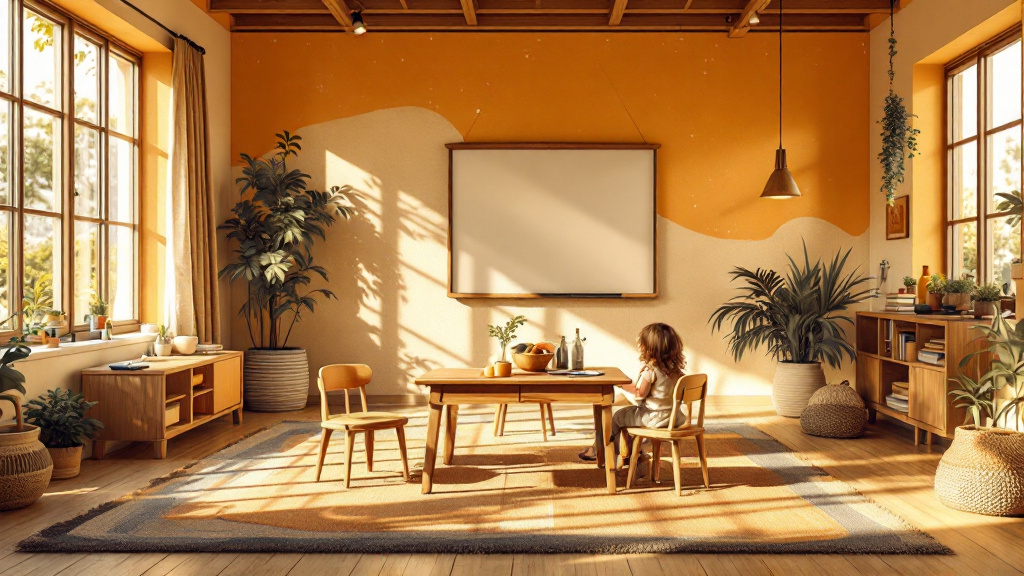
Understanding the Intersection of Eco-Friendly and Autism-Friendly Design
The concept of eco-friendly design in autism schools is rapidly gaining traction as educators and architects strive to create inclusive, sustainable environments that cater specifically to the needs of neurodiverse learners. By integrating sustainable architecture with autism-friendly principles, schools can offer healthier, more supportive learning spaces that benefit both students and the environment. This narrative explores the key elements of eco-friendly design in autism schools, the application of renewable energy, and the broader implications on students' academic and emotional well-being.
Integrating Eco-Friendly Elements into Autism School Design
What is eco-friendly design in architecture?
Eco-friendly design, often referred to as sustainable architecture, prioritizes minimizing environmental impacts while maximizing human comfort. This involves implementing energy and water efficiency measures, utilizing sustainable and recycled materials, and creating landscapes that foster biodiversity. Given that building operations contribute significantly to greenhouse gas emissions in areas like Australia, adopting eco-friendly practices is crucial for mitigating climate change. Regulatory frameworks like the Building Code of Australia set energy efficiency standards, ensuring that newly constructed buildings meet minimum environmental performance levels. Besides environmental advantages, eco-friendly design encapsulates social and economic sustainability, fostering healthy environments and ensuring that building operations are cost-effective over time.
What is autism-friendly design?
Autism-friendly design is centered on crafting environments that address the sensory sensitivities and unique learning needs of individuals with autism, especially within educational contexts. Important design elements include:
Key Components
An effective autism-friendly design in schools ensures that environments support both sensory needs and educational goals through:
ComponentDescriptionBenefitsEnergy EfficiencyImplementation of high-performance HVAC systems and LED lightingReduces energy costs and promotes sustainabilitySustainable MaterialsUse of recycled and non-toxic materialsEnhances indoor air quality and reduces chemical exposureNatural LightMaximization of daylight entry through windowsImproves mood and cognitive functionOutdoor SpacesDesigning sensory gardens and safe play areasPromotes physical activity and reduces anxiety
By intertwining eco-friendly principles with autism-friendly design, schools not only enhance the learning experience for students with autism but also nurture eco-conscious attitudes among young learners.
Natural Light and Indoor Air Quality: Cornerstones of Autism-Friendly Schools
The Role of Natural Light in Reducing Stress and Enhancing Learning
Natural light plays a crucial role in creating autism-friendly school environments. Studies have shown that ample exposure to natural light can enhance mood, improve cognitive function, and even boost academic performance among students with autism. Schools designed with large windows or skylights help to incorporate this essential element, reducing reliance on artificial lighting that can be overwhelming.
Furthermore, natural light helps regulate students' circadian rhythms, which is vital for maintaining energy levels throughout the school day. By reducing glare and using indirect lighting, educators can create soothing atmospheres that minimize stress and sensory overload, critical for the emotional well-being of neurodiverse learners.
Importance of Indoor Air Quality
Indoor air quality (IAQ) is another fundamental aspect of eco-friendly design in autism schools. Poor air quality can lead to discomfort and hinder learning capabilities, particularly for students with heightened sensitivities. Integrating non-toxic materials and maintaining proper ventilation systems can significantly improve IAQ.
Utilizing low-VOC (volatile organic compounds) materials ensures that harmful chemicals do not compromise the health of students. Maintaining a clean indoor environment with adequate air filtration systems helps to reduce allergens and pollutants, fostering a more conducive learning space.
In summary, combining natural light and quality indoor air dramatically enhances both student comfort and engagement, supporting the unique needs of students with autism in eco-friendly educational settings.
Design ElementBenefits for Students with AutismExample ImplementationsNatural LightImproves mood and cognitive function; reduces sensory overloadLarge windows, skylightsIndoor Air QualityEnhances focus and comfort; reduces distractionsLow-VOC materials, effective ventilation
Key Design Principles for Autism-Friendly Learning Environments
What are the key principles of autism-friendly design for schools?
Design strategies for autism-friendly schools prioritize sensory sensitivity, emotional comfort, and structured learning spaces. Here are some foundational principles:
Creating calming and structured school environments
To foster an effective learning atmosphere, structured spaces are essential. Managing sensory overload can be achieved through:
Effective autism-friendly design focuses on enhancing well-being and academic success, ushering in a supportive, nurturing environment.
The Role of Renewable Energy in Autism Schools
Benefits of Solar Panels and Wind Turbines
Integrating renewable energy solutions, such as solar panels and wind turbines, into autism schools offers numerous advantages. Firstly, these energy systems improve indoor air quality by reducing reliance on fossil fuels, which can help alleviate respiratory issues and sensitivities common among autistic students. Enhanced air quality leads to a calmer classroom environment, which is essential for minimizing sensory distractions that can hinder focus and learning.
Secondly, renewable energy sources can significantly lower energy costs for schools. With reduced utility expenses, schools can allocate more funds to educational resources and support services tailored to the unique needs of autistic students. This redirection of resources can further enhance the educational experience by investing in additional sensory-friendly materials and technologies.
Impact on Learning Environments and Energy Costs
The impact of renewable energy on learning environments cannot be overstated. Clean energy solutions contribute to quieter spaces, fostering better concentration and engagement among students with autism. By lowering noise levels typically associated with traditional energy systems, schools become more conducive to focused learning.
Additionally, incorporating sustainability into the curriculum encourages eco-conscious behaviors in students. This motivates them to understand and respect their environment, further supporting their emotional and cognitive development.
In summary, integrating renewable energy systems like solar panels and wind turbines into autism schools not only serves to create healthier learning environments but also significantly lowers energy costs, contributing to an overall enhanced educational experience for autistic students.
Outdoor Spaces and Biophilic Design Benefits
Use of Sensory Gardens and Safe Outdoor Areas
In autism schools, outdoor spaces designed with nature in mind significantly enhance the learning experience for students. Sensory gardens are particularly beneficial; they offer a rich environment where students can touch, smell, and interact with various natural elements. These gardens promote physical activity, which is essential for overall well-being and helping to reduce anxiety among students with autism.
Safe outdoor play areas provide a structured setting for students to engage freely, fostering social interactions and cooperative play with peers. By incorporating features like natural landscapes, pathways, and shaded areas, schools can create a natural habitat that promotes exploration and comfort.
Connection Between Nature and Reduced Anxiety
Research indicates a strong connection between exposure to natural environments and reduced levels of anxiety for students with autism. Activities in outdoor spaces filled with natural elements allow children to experience calming attributes, which in turn can lead to better emotional regulation and increased focus. Natural light and greenery create an inviting atmosphere that invites students to spend more time outside, thus promoting greater relaxation and joy.
Broader Implications
The incorporation of biophilic design principles not only reduces stress and enhances adaptive functioning but also creates natural, calming spaces that promote emotional well-being. Additionally, sensory-friendly features like flexible seating and quiet areas cater to the unique sensory processing needs of neurodiverse students, fostering a supportive learning atmosphere. Overall, integrating sustainable practices in autism education settings can create healthier, more effective environments that contribute to the academic and emotional growth of these students.
Sensory-Friendly Indoor Environments: A Crucial Consideration
Importance of Flexible Seating and Designated Quiet Zones
Creating sensory-friendly indoor environments is crucial for students with autism, as these designs cater specifically to their unique sensory needs. Flexible seating arrangements enable students to choose their space based on comfort and sensory input preferences. This may include options like bean bags, floor cushions, or standing desks, allowing them to manage their sensory experiences actively.
Designated quiet zones serve as retreats where students can escape overwhelming stimuli and recharge. These areas are typically low-lit, soundproof, and filled with soft materials to promote relaxation. Effective integration of such spaces provides students with a sense of control over their environment, helping to mitigate sensory overload.
Impact on Focus and Emotional Stability
The provision of flexible seating and quiet spots in the classroom significantly enhances students' focus and emotional well-being. When individuals can adjust their workspaces, they are more likely to engage positively with learning materials. Additionally, quiet zones offer essential breaks, leading to better emotional regulation and reduced anxiety.
Studies suggest that students with access to sensory-friendly environments perform better academically and demonstrate improved behavioral outcomes. By prioritizing these design elements, educators can create classrooms where students not only feel safe but also thrive in their learning experiences.
Collaboration in Designing Autism Schools
Involvement of Occupational Therapists and Stakeholders
Collaboration is key in creating effective autism school environments. Occupational therapists play a crucial role in designing sensory-friendly spaces tailored to meet the unique needs of each student. They help assess sensory processing challenges and recommend strategies that can be implemented within the school’s physical and operational framework. Involving diverse stakeholders—such as educators, parents, and therapists—in the design process enables schools to consider various perspectives and needs, fostering an inclusive atmosphere.
Role of Universal Design for Learning
Universal Design for Learning (UDL) principles are essential in autism schools, as they promote flexibility and accessibility throughout the learning environment. UDL provides a framework that accommodates different learning preferences, ensuring that educational materials and strategies are accessible for all students, including those with autism. With an emphasis on reducing barriers to participation, UDL enhances engagement and supports sensory differences effectively. This collaborative approach not only strengthens educational practices but also creates spaces that are intentional, responsive, and conducive to learning.
Cost and Sustainability: Economic Benefits of Green Design
Long-term economic savings from energy efficiency
Implementing eco-friendly designs in autism schools leads to substantial long-term savings. Energy-efficient systems, such as LED lighting and high-performance HVAC solutions, help cut utility costs significantly. These savings are crucial for reallocating budget towards educational resources, benefiting the students directly.
Resource allocation for educational resources
By utilizing recycled materials and renewable energy sources like solar panels, schools not only enhance their sustainability but also create healthier learning environments. These practices result in reduced operational costs, allowing schools to invest more in instructional materials, special programs, and therapies tailored for students with autism. Ultimately, eco-friendly design not only supports environmental goals but also strengthens the educational framework essential for students’ academic success and well-being.
Innovative Technologies Enhancing Eco-Friendly Autism Schools
Smart Building Systems and Assistive Technology
Innovative technologies play a crucial role in creating eco-friendly schools tailored for students with autism. Smart building systems enhance energy efficiency by optimizing heating, cooling, and lighting based on occupancy and weather conditions. These systems not only contribute to sustainability but also foster a calming atmosphere, vital for students with sensory sensitivities.
Assistive technology further augments learning environments by providing tools that support communication and individualized learning approaches. Such technology can be tailored to meet the unique needs of autistic students, ensuring accessibility and engagement in educational activities.
Impact on Learning and Sustainability
The integration of these technologies significantly impacts both learning outcomes and sustainability goals. Improved indoor air quality through smart systems promotes better cognitive function, allowing students to focus and engage effectively. Moreover, utilizing renewable energy sources like solar panels reduces harmful emissions, creating healthier environments conducive to learning.
By embracing these innovations, schools not only enhance their educational offerings but also instill eco-conscious values in students, inspiring a generation dedicated to sustainability.
Social and Environmental Responsibility through Eco-Friendly Practices
Promotion of Lifelong Eco-Conscious Behaviors
Eco-friendly practices in autism schools play a pivotal role in instilling a sense of environmental stewardship among students. By incorporating sustainable design elements, such as recycling programs and energy-efficient systems, schools can educate students about the importance of conserving resources. This hands-on approach helps foster eco-conscious behaviors that extend beyond the classroom and into their daily lives.
Role in Fostering Community Engagement
In addition to promoting individual responsibility, these initiatives encourage broader community engagement. Schools that embrace sustainable practices often collaborate with local organizations and families, enhancing their reputation as a community hub for environmental awareness. Such partnerships can lead to workshops and events that empower students and families to advocate for sustainability, creating a well-rounded educational experience that enriches both students and the surrounding community.
The Future of Eco-Friendly Autism Schools
By integrating eco-friendly design principles with autism-friendly strategies, schools have the opportunity to create spaces that not only support the educational needs of students with autism but also set a standard for sustainability in educational environments. The blend of biophilic design, renewable energy, and sensory-friendly elements supports students' academic and emotional growth, while fostering a culture of environmental stewardship. As more educational institutions adopt these practices, the hope is to see a widespread enhancement in learning experiences and overall well-being for students with autism, paving the way for a more inclusive and sustainable future.