
Developing Social Communication Skills through ABA Therapy
May 29, 2026
Learn how ABA therapy develops social communication skills in children with autism. My Team ABA uses structured techniques to help children express themselves and connect with others.
Understanding the Power of ABA Therapy
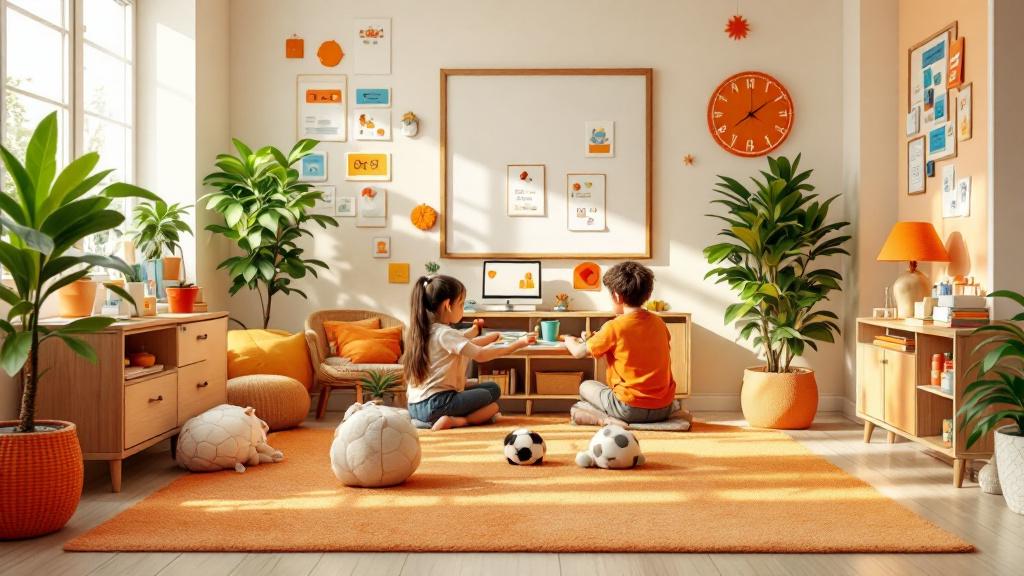
Developing social communication skills is a cornerstone of supporting children with autism spectrum disorder (ASD). Applied Behavior Analysis (ABA) stands out as a highly effective, evidence-based intervention that helps children improve their social interactions, communication abilities, and overall adaptive functioning. Rooted in the science of learning and behavior, ABA provides structured, individualized methodologies aimed at fostering meaningful social engagement, emotional understanding, and independence.
Foundations of ABA Therapy in Social Skills Development
How does ABA therapy help improve social skills in children with autism?
Applied Behavior Analysis (ABA) therapy is a scientifically supported approach that significantly boosts social skills in children with autism. It does so by teaching children how to understand and follow social rules, such as taking turns, sharing, initiating conversations, and responding appropriately to social cues.
Throughout therapy sessions, techniques like modeling, role-playing, and natural environment teaching are used to simulate real-life situations, helping children practice social behaviors in a safe and controlled setting.
Positive reinforcement plays a vital role; children receive rewards like praise, tokens, or preferred items when displaying desired social behaviors. This encouragement strengthens skills like eye contact, responding to questions, and engaging in reciprocal interactions.
Individualized assessment and goal-setting ensure that interventions are tailored to each child's unique needs. Therapists break down complex social skills into smaller, manageable steps and systematically teach each component.
Methods such as discrete trial training (DTT), social skills groups, and video modeling promote generalization, allowing children to transfer learned skills across different environments and with various people.
Overall, ABA fosters social competence, participation in social activities, and emotional well-being, laying a solid foundation for lifelong social integration and independence.
What are effective methods to practice social skills with children with autism?
Practicing social skills effectively involves a combination of tailored, evidence-based strategies. Explicit instruction using social stories and visual aids helps children understand social norms and expectations clearly.
Structured social skills groups offer children opportunities to engage in cooperative play, role-playing, and real-life social interactions, which promote skill acquisition and promote generalization across settings.
Video modeling, especially through video self-modeling, allows children to observe themselves successfully executing social behaviors. This technique boosts motivation, confidence, and understanding.
Incorporating peers, family members, and teachers in intervention strategies enhances consistency and helps transfer skills beyond therapy settings.
Regular assessment and personalized adjustments ensure the methods remain effective and aligned with each child's evolving needs.
What are the main techniques used in ABA therapy for developing social communication skills?
ABA therapy employs diverse techniques to enhance social communication. Discrete trial training (DTT) breaks down complex skills like initiating conversations into simple, teachable components.
Natural environment teaching (NET) promotes learning within typical daily activities, encouraging children to apply social skills in real-life settings.
Role-playing and modeling are used extensively, allowing children to practice initiating interactions, understanding non-verbal cues, and engaging in turn-taking.
Visual supports, such as picture schedules, social stories, and augmentative and alternative communication (AAC) devices, improve understanding and expression.
Social skill groups, peer-mediated strategies, and parent training are also integral, fostering continuous practice, reinforcement, and skill generalization.
How does ABA therapy facilitate the development of communication skills?
ABA therapy enhances communication skills by applying targeted strategies tailored to each child's needs. It includes improving vocabulary via visual aids, interactive play, and social scenarios that make language functional and contextually relevant.
Both expressive (talking, gesturing) and receptive (understanding instructions, interpreting cues) communication are developed through systematic teaching.
Techniques such as positive reinforcement reward vocalizations, requesting, labeling, and initiating conversations.
Incorporating augmentative and alternative communication (AAC) devices, like speech-generating technology, helps non-verbal children express themselves more effectively.
Specialized approaches like discrete trial training and naturalistic teaching foster consistent progress and support the integration of communication skills into everyday life.
What are the common goals of social skills development through ABA therapy?
The overarching goals include enabling children to engage confidently in social interactions, communicate effectively, and participate in their social environment without excessive support.
Specific objectives involve teaching greeting behaviors, sharing, turn-taking, recognizing emotions, and understanding social norms.
ABA emphasizes breaking down intricate skills into small parts, making learning manageable and measurable.
Fostering emotional regulation, relationship-building, and decision-making skills supports overall social and emotional well-being.
Another key aim is to promote generalization, so children can apply their skills across different settings and with various people, promoting independence.
By focusing on these objectives, ABA strives to improve children’s social inclusion, self-confidence, and ability to navigate diverse social situations.
Furthermore, collaboration with families and caregivers ensures skills learned in therapy are reinforced in daily life, enhancing durability and effectiveness of interventions.
Techniques and Strategies for Enhancing Social and Communication Skills
What are effective methods to practice social skills with children with autism?
Practicing social skills in children with autism benefits greatly from a combination of structured and personalized approaches. Effective methods include using social stories and visual aids that explicitly teach specific social rules and expectations. These tools help children understand how to behave in various social situations.
Participation in social skills groups offers children opportunities to interact with peers in controlled settings. Activities often involve role-playing, cooperation, and real-life social interaction exercises, which promote skill reinforcement and generalization.
Video modeling, especially video self-modeling, serves as an evidence-based technique. It allows children to observe themselves successfully performing social behaviors, which boosts motivation and confidence.
Involving parents, teachers, and peers in intervention strategies supports the transfer of skills across different environments. This collaborative approach helps reinforce social behaviors beyond therapy sessions.
Regular assessment and tailored modifications ensure the interventions stay effective and relevant to each child's evolving needs. Personalized plans are crucial for fostering meaningful and lasting social interactions.
What are the main techniques used in ABA therapy for developing social communication skills?
ABA therapy employs several proven techniques to bolster social communication skills. Discrete Trial Training (DTT) and Natural Environment Teaching (NET) are foundational methods because they break complex social skills into smaller, manageable components and promote learning in everyday contexts.
Role-playing and modeling are used to simulate social interactions, such as initiating conversations, turn-taking, and understanding facial expressions. These methods provide children with concrete examples of desired behaviors.
Visual supports, including charts, social stories, and AAC devices, help children understand and express social cues more effectively. Prompts and cues are used to guide correct responses and reinforce learning.
Positive reinforcement remains central, rewarding successful social efforts with praise, tokens, or preferred items. This encouragement motivates children and aids in the generalization of skills.
Parent training is also essential so they can support and reinforce social behaviors outside of therapy. Consistent practice across settings ensures that children acquire and maintain improved communication skills.
Additional Insights
| Techniques | Description | Benefits |
|---|---|---|
| Role-playing | Children practice social scenarios in a guided setting | Reinforces understanding and confidence in social interactions |
| Video modeling | Watching videos of appropriate behaviors or self | Enhances motivation, provides visual cues, demonstrates success |
| Social stories | Short narratives explaining social situations | Clarifies social expectations, reduces anxiety |
| Peer-mediated interventions | Using peers to model and practice social skills | Promotes naturalistic social learning and inclusion |
| Visual aids and AAC devices | Supports understanding and expressing social cues | Improves comprehension, offers alternative communication methods |
Creating a comprehensive, individualized intervention plan that includes these techniques fosters steady growth in social skills, helping children participate more fully in social environments and build meaningful relationships.
Addressing Social Challenges and Promoting Generalization
 How does ABA therapy help improve social skills in children with autism?
ABA therapy plays a pivotal role in enhancing social skills among children with autism by employing a variety of structured, evidence-based methods. Therapists assess each child's unique needs and develop tailored programs that focus on understanding social cues, initiating interactions, and maintaining conversations. Techniques like modeling, role-playing, and natural environment teaching expose children to real-life social scenarios, helping them practice appropriate responses.
Positive reinforcement is a core element, encouraging children to repeat successful social behaviors such as making eye contact, sharing, or taking turns. Interventions like discrete trial training, social skills groups, and video modeling further aid in the consistent teaching of social skills across different settings. As a result, children build confidence, improve emotional regulation, and develop skills necessary for social participation. These improvements help foster lifelong social competence, independence, and emotional well-being.
How does ABA therapy address social and communication challenges in autism?
ABA therapy effectively targets social and communication difficulties in autism by systematically analyzing behaviors to identify specific areas needing support. Children are taught to interpret social cues, understand facial expressions, body language, and tone of voice, which enhances their social awareness. Techniques such as prompting and modeling help children learn to respond appropriately during interactions.
The therapy emphasizes expanding both expressive and receptive language skills. Visual supports, AAC devices, and behavioral strategies are used to foster communication, reduce echolalia, and encourage initiation of conversations. Additionally, ABA reduces maladaptive behaviors like aggression or withdrawal that hinder social engagement. Collaboration with families and educators ensures consistent reinforcement, which promotes generalization of skills across various environments.
What is the role of caregivers and families in reinforcing social and communication skills?
Families and caregivers are integral to the success of ABA therapy, serving as key partners in reinforcement and generalization efforts. They learn to implement strategies like positive feedback, prompts, and visual supports consistent with therapy goals. Daily routines, play, and social interactions provide natural opportunities for children to apply and strengthen their skills.
Encouraging cooperative activities, such as playdates and community outings, helps children practice learned behaviors in real-world settings. Families work closely with therapists to monitor progress, adjust strategies, and ensure skill maintenance. Their active involvement not only reinforces social and communication skills but also supports emotional regulation and behavioral success, fostering broader social inclusion.
Advancing Social Communication Through Scientific Strategies
ABA therapy, as a proven, evidence-based approach, provides a comprehensive framework for enhancing social communication skills in children with autism. Through individualized assessment, targeted interventions, and active involvement of families and caregivers, ABA promotes meaningful social engagement, emotional understanding, and lifelong skills that foster independence and inclusion. Continual research and practice refine these strategies, ensuring that children receive the most effective support to thrive socially and emotionally in diverse settings.
References
- Developing Social Skills Through ABA Therapy for Autism
- How ABA Therapy Can Improve Communication Skills in Children
- Enhancing Communication Skills With ABA Therapy
- Harnessing ABA Therapy for Social Skills Development in Autism
- ABA Therapy for Enhancing Social Skills in Children with Autism
- Applied Behavior Analysis (ABA) | Autism Speaks
- ABA Therapy for Social Skills: Building Connections

Need Support? We're Here to Help
Our dedicated team provides personalized ABA therapy to help your child thrive. We make access to quality care simple and effective.